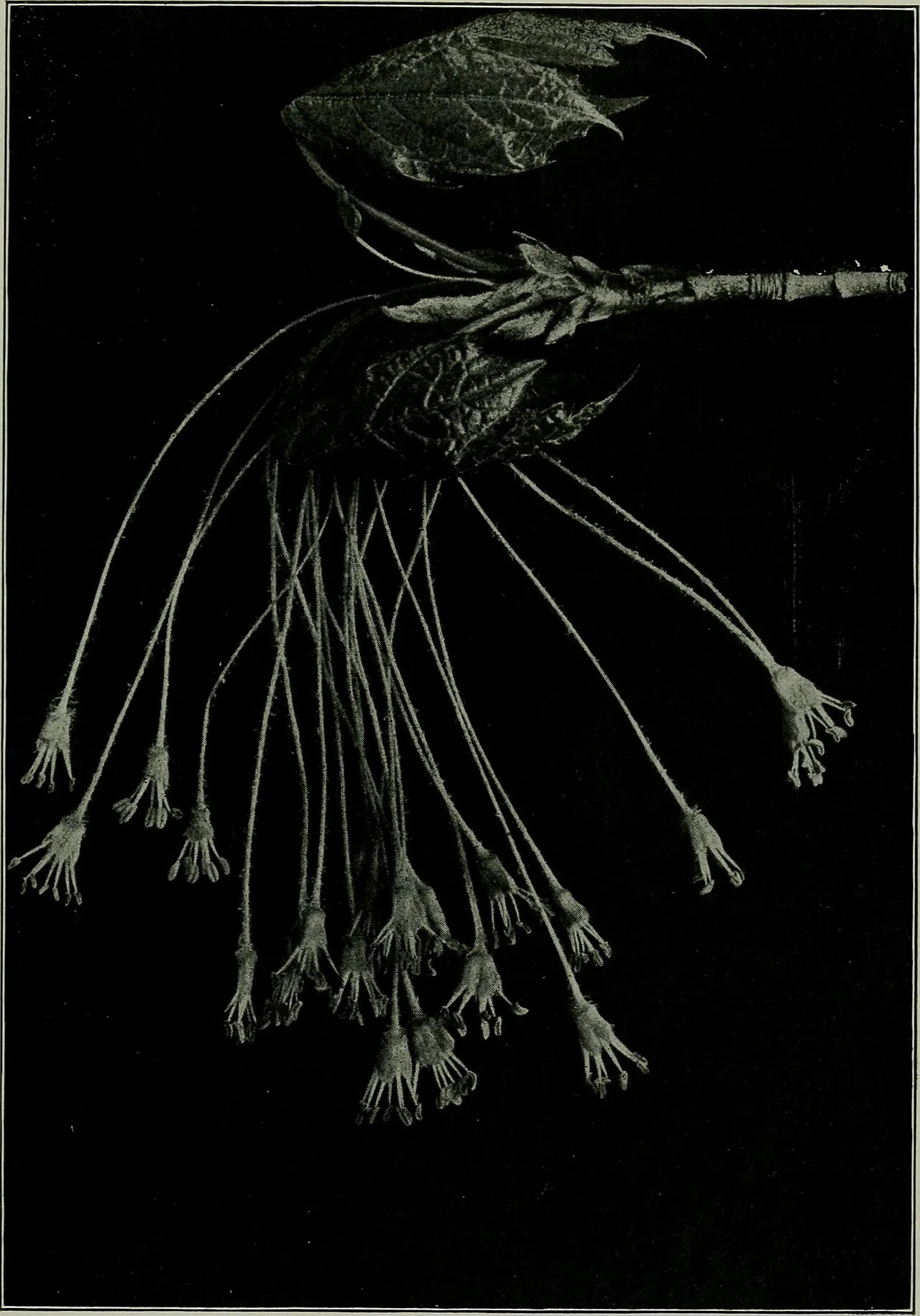
// SPECIES PROFILE · TREE · NATIVE EAST OF TULSA · RANGE-EDGE
Sugar Maple
Sugar Maple is the iconic shade tree of the northeastern hardwood forest — the source of maple syrup, the holder of the most spectacular yellow-orange-scarlet fall color in North America, and a slow-growing climax-forest dominant. NE Oklahoma sits at the southwestern range edge: native populations cling to the cool, moist ravines of the Ozarks and Ouachitas, but typical sugar maples planted in open Tulsa landscapes routinely scorch and decline. The regional answer is the heat-adapted 'Caddo' sugar maple selected from a relict population in Caddo County, OK — the only sugar maple form truly suited to NE Oklahoma yards.
- Family
- Sapindaceae (formerly Aceraceae)
- Group
- Deciduous canopy tree
- Native range
- SE Canada & E US, range edge through Ozarks/Ouachitas into E OK
- OK status
- Native in eastern OK ravines · struggles in open landscapes
- USDA hardiness
- Zones 3–8 ('Caddo' to zone 8b)
- Mature size
- 50–80 ft tall × 30–50 ft wide
- Crown form
- Dense oval-rounded
- Lifespan
- 200–400 yrs
- Sun
- Full sun to part shade (very shade-tolerant when young)
- Soil
- Deep, well-drained, slightly acidic loam — intolerant of compaction; pH 5.5–7.5
- Water
- Moisture-loving; declines in extended drought
- Bloom
- March–April, before leaf-out (yellow-green)
- Fall color
- Yellow → orange → scarlet (variable, vivid)
- Wildlife value
- Sap, seeds, browse · cavity-nest tree at maturity
- Caddo selection
- Heat-, drought-, & pest-tolerant OK ecotype